WRFL’s Gender Inclusion Push Giving Voice and Dignity to Women in Recycling
In a sector long defined by stereotypes, Waste Recyclers Fiji Limited is dismantling the long-held belief that waste management space is a man’s world.
Through its commitment to social inclusion and gender equity, WRFL is creating a workplace where women, including those from marginalised and stigmatised backgrounds, are not only seen and heard but are also leading from the front.
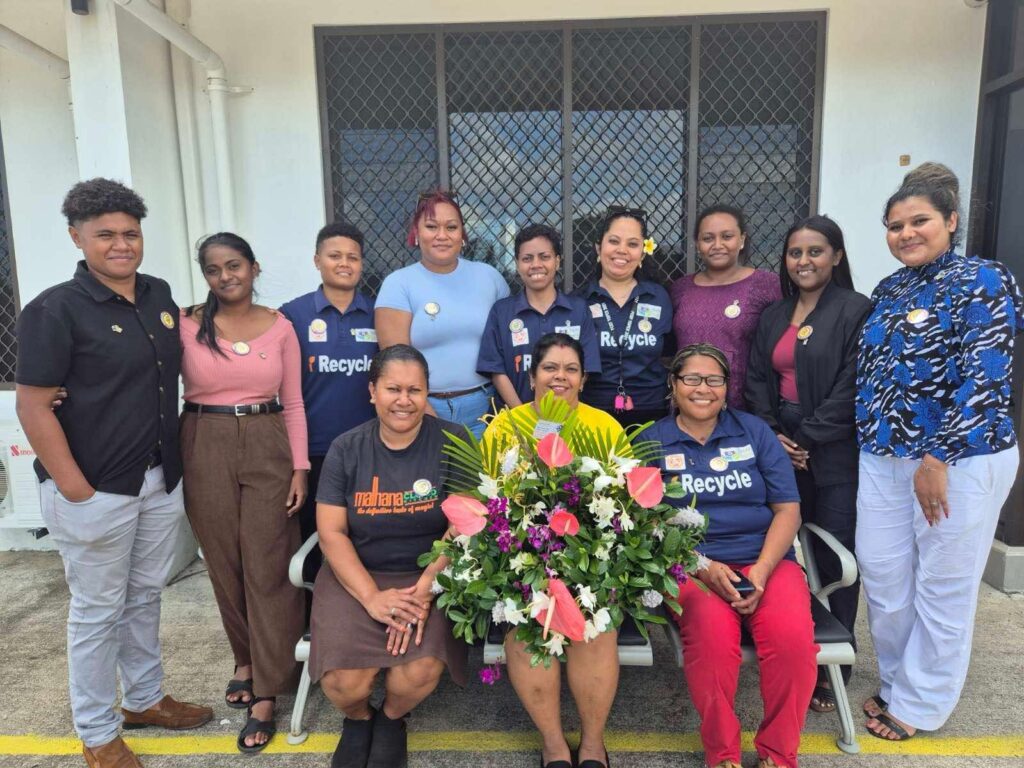
Today, women make up 36 percent of WRFL’s workforce.
But this figure did not emerge overnight. It is the result of intentional, difficult, and often uphill efforts to challenge embedded norms, rebuild confidence, and reframe the narrative of who belongs in the waste management space.
“For decades, waste management space was seen as a masculine domain, not a place for women or anyone who did not fit the tough-guy image,” said WRFL CEO and Founder of the Pacific Recycling Foundation, Amitesh Deo.
“There was a societal perception that women simply could not or should not do this work, and unfortunately, this belief seeped not only into institutions but into the minds of women themselves.”
The journey to inclusivity has been complex. Convincing women to apply for roles at WRFL, even at entry or management levels, was not easy. The perception was strong and persistent that the yard was no place for women, that machines were meant for men, that management roles in a waste management company were a male right.
“There was a deeply rooted pre-determination,” explained Deo.
“This self-perception, layered with societal bias, made it even harder to attract female applicants.”
Deo recalls an early encounter that reflects the depth of resistance.
“Before the formation of PRF in 2022, a highly respected businessman once told us that women could never work in scrap yards, could never operate forklifts, and could never be part of this world.
That kind of thinking, that women simply can not – is exactly what we are dismantling.”
Today, the results are visible and empowering.
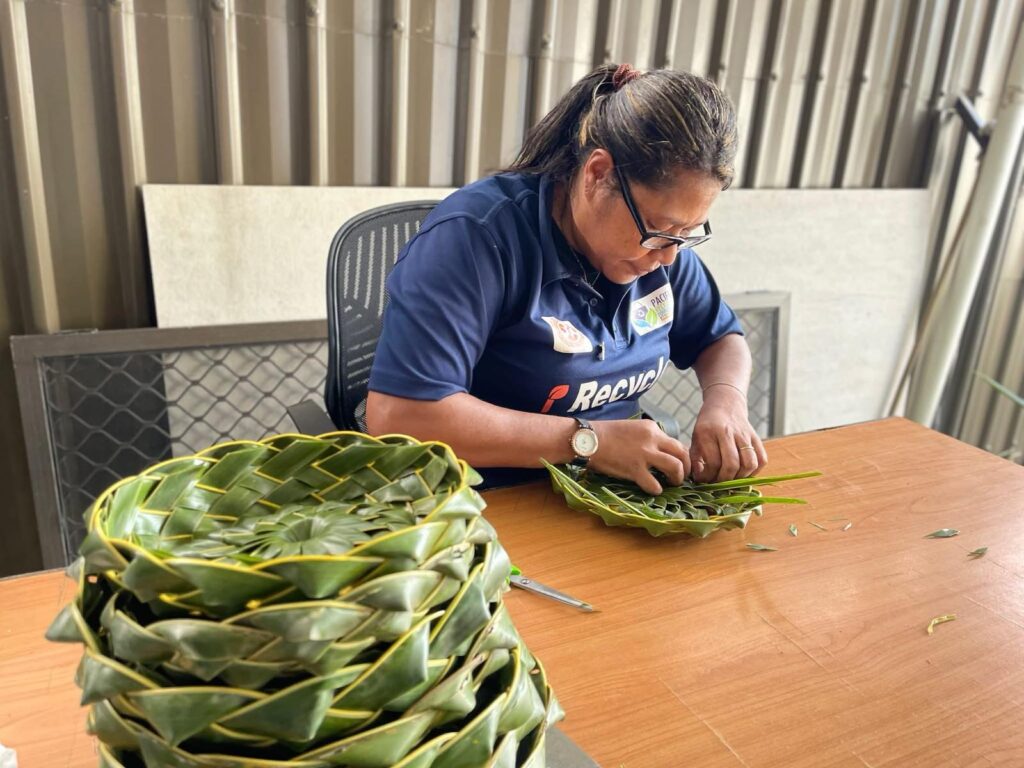
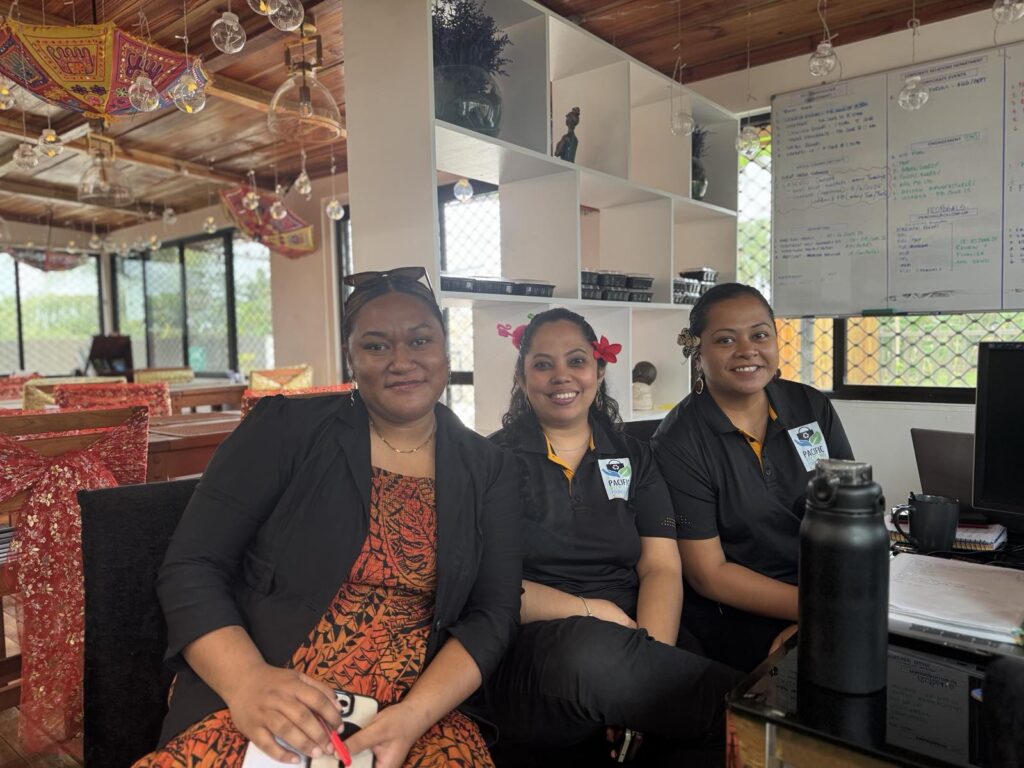
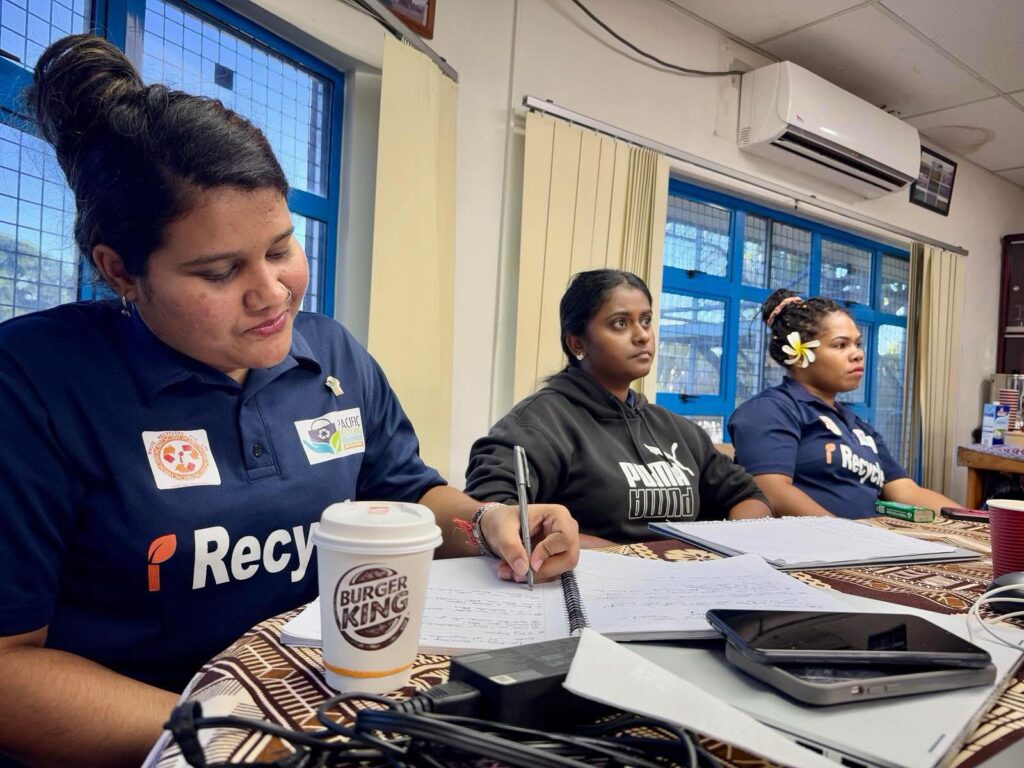
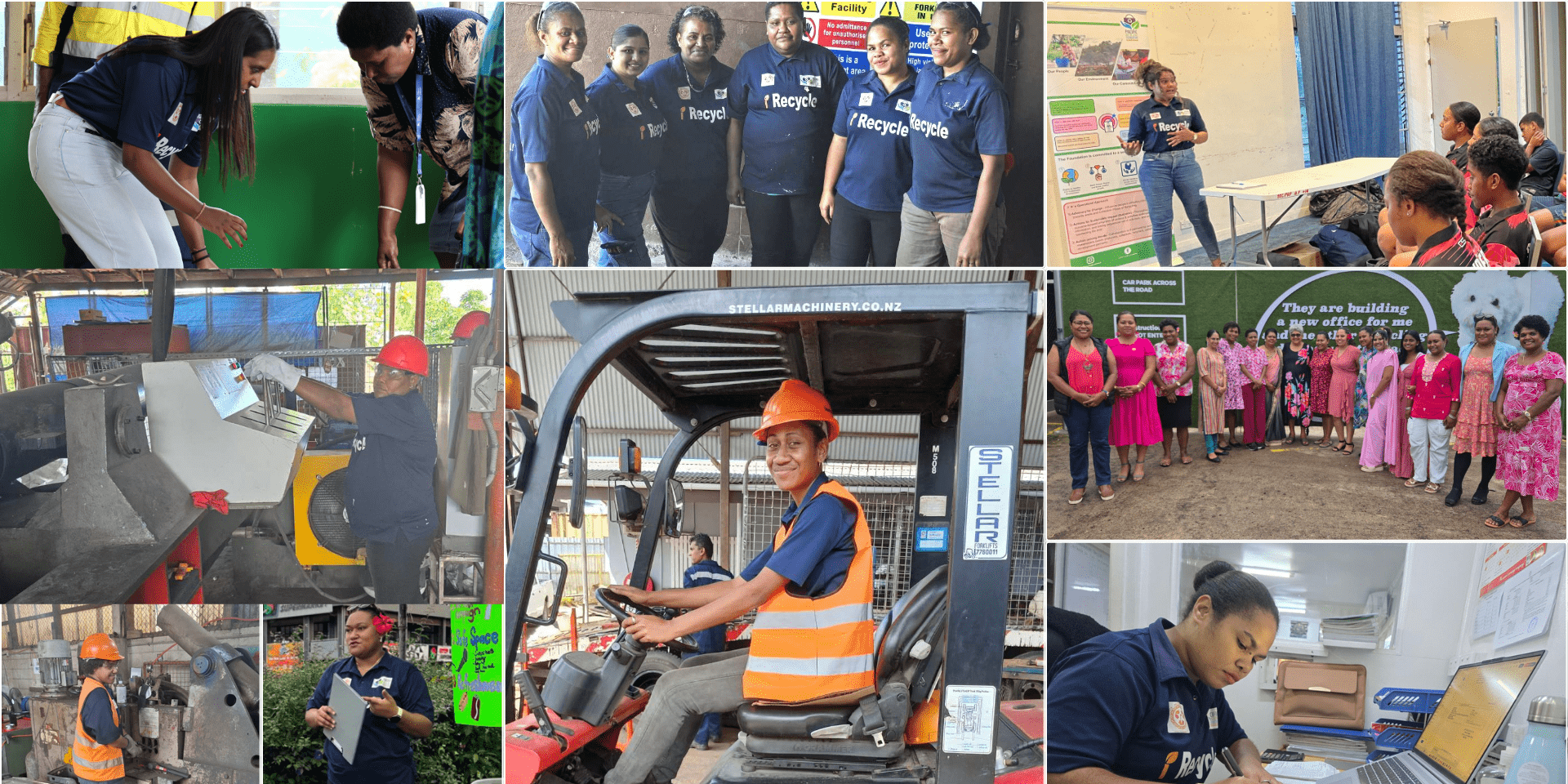
Some women at WRFL have transitioned from collecting recyclables at dumpsites to full-time roles as forklift operators, yard staff, sorters, and machine handlers. Others with formal qualifications and professional experience have taken on leadership roles across Human Resources, Finance, Project Management, Communications, Audit, and Grants.
Women are now represented at every level, from grassroots entry points to leadership positions.
According to Deo, importantly, these women did not just transition into their roles; many of them have gone on to outperform their male counterparts in some roles. They have not only proven they belong in these spaces, but they are also setting new standards of excellence and accountability.
Deo added that other marginalised groups, particularly members of the LGBTQI+ community, have faced even greater difficulty finding their place in this male-dominated space. The stigma, prejudice, and cultural silencing they face are deeply entrenched.
“In this sector, women and LGBTQI+ individuals have historically been told that they are too weak, too different, or simply not welcome,” said Deo.
“But at WRFL, they are now managing systems, mentoring others, and helping lead Fiji’s shift toward a more just and inclusive future. This is not just inclusion. It is healing. It is resistance. It is transformation.”
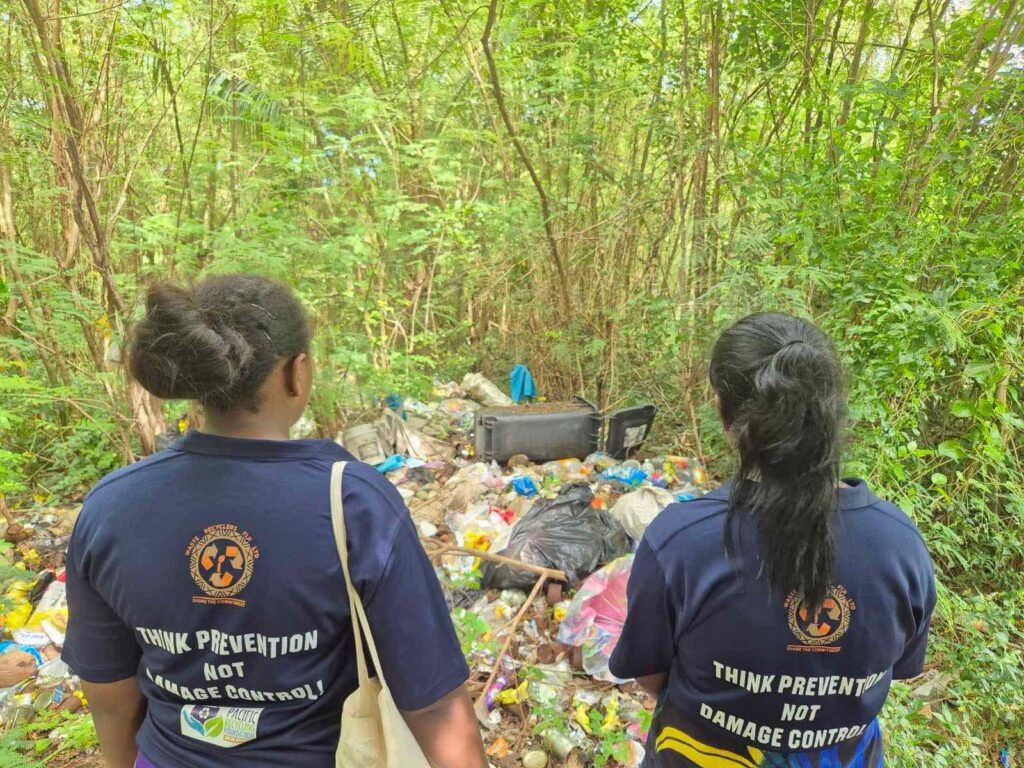
Supporting and amplifying this cultural shift is the Pacific Recycling Foundation – the advocacy arm of WRFL, which is working to ensure that inclusion, especially of women and marginalised communities, becomes non-negotiable in how waste management and sustainability are structured in Fiji and across the Pacific.
“What we are doing here sends a message far beyond our yards,” Deo said.
“We are breaking the silence around gender and exclusion in this industry. We are making it clear that this space, once believed to belong only to men, now rightfully belongs to women, to LGBTQI+ persons, and to everyone who was once excluded.”
Deo emphasised that this change did not emerge in isolation. It stands on the shoulders of movements and organisations that paved the way, particularly the Fiji Women’s Crisis Centre, whose years of advocacy for women’s rights, safety, and dignity laid the foundation for inclusive progress in traditionally male spaces.
WRFL is now urging other organisations across all sectors to reflect deeply on who is included in their visions of progress.
“This journey is not just about recycling, it’s about dignity, about undoing decades of exclusion, about rewriting narratives, and above all, ensuring no one is left behind,” stressed Deo.