PRF Launches Composting Program at Nadi Sangam Primary School, Expanding to Nine Other Schools Soon

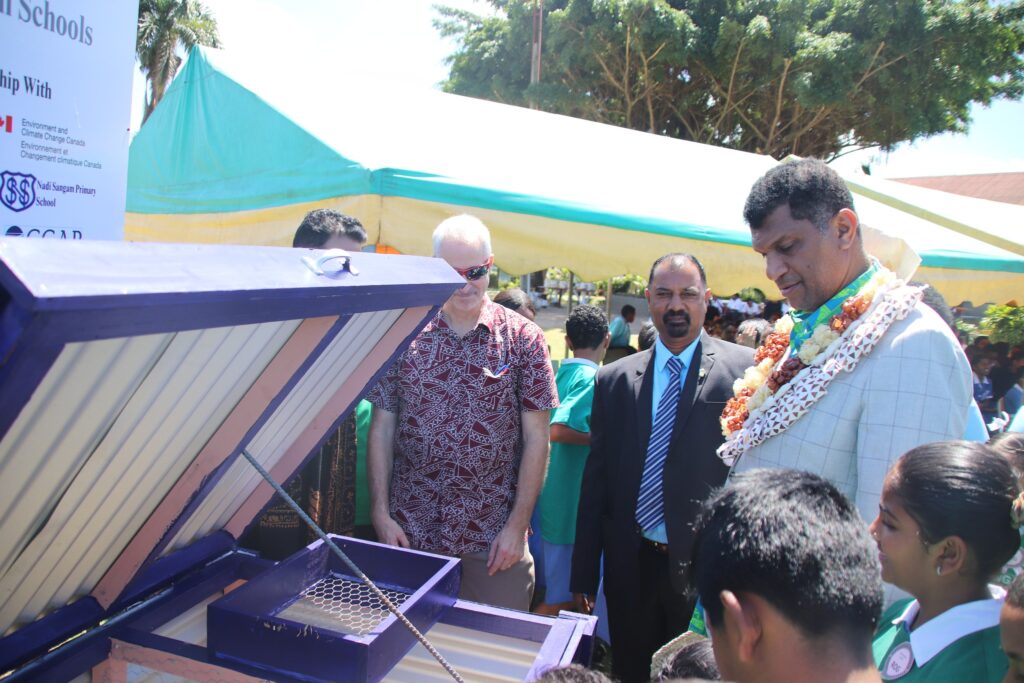
Pacific Recycling Foundation, in collaboration with Recycle Organics, today officially launched a school-based composting program, “From Waste to Climate Action: Scaling Sustainable Composting in Fijian Schools” at Nadi Sangam Primary School.
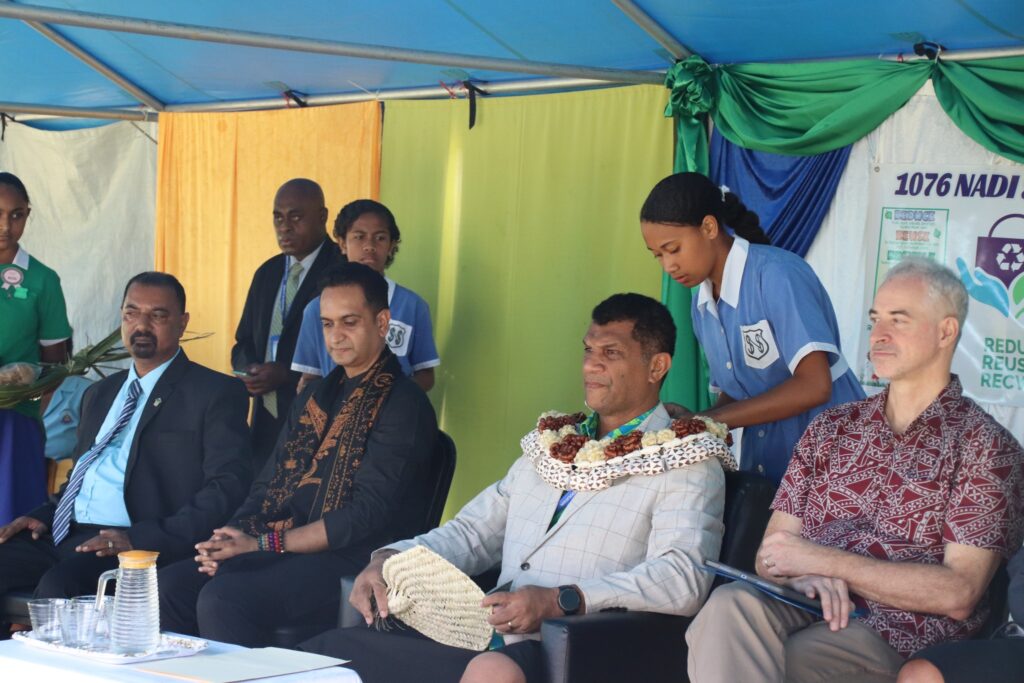
The initiative has been made possible through a grant from the Canada Fund for Local Initiatives (CFLI) and endorsed by the Ministry of Education, and was formally launched by Hon. Aseri Radrodro, Minister for Education.
The six-month program will be piloted by PRF at Nadi Sangam Primary School before being introduced in nine additional schools across Nadi and Lautoka. PRF will provide composting bins and materials, conduct training sessions, and assist in establishing school-led composting centres. These activities will serve as the foundation for long-term sustainability in waste management within schools and communities.
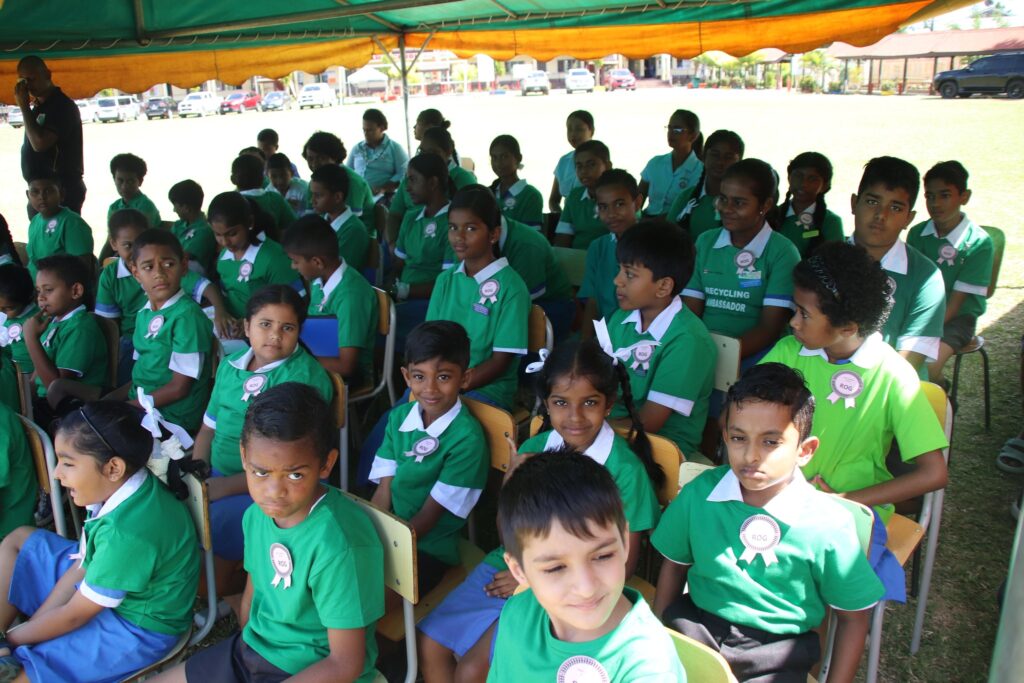
This new initiative builds on PRF’s earlier work at Nadi Sangam Primary School, where the Foundation successfully introduced a comprehensive recycling program, the Recycling on the Go (ROG) Ambassadors Program in 2023. That program remains active to this day and has become a model for school-based recycling initiatives in Fiji.
The new composting project represents an extension of PRF’s focus on mindset and behaviour change, upscaling sustainability efforts within the education sector.
Speaking at the launch, PRF Founder and Director of Operations, Amitesh Deo, emphasised the program’s role in shaping mindsets and behaviour.
“This project plants the seed for long-term change. By starting in schools, we are creating a culture of waste responsibility and climate action that will extend into households and communities across Fiji.”
Although the implementation by PRF lasts for six months, the program is designed to have a lasting impact over the next decade.
It is expected to reduce methane emissions through sustainable organic waste management, engage more than 2,500 students and staff, and train over 200 teachers to lead composting initiatives while integrating waste education into classrooms. Indirectly, more than 10,000 community members are projected to benefit as students and staff share their knowledge and practices beyond the school gates. Findings from the project will also be shared with the Fiji Ministry of Education to support national adoption, and with regional partners to advocate replication across the Pacific.
Recycle Organics will provide necessary support to PRF to ensure that the composting models piloted are practical, scalable, and aligned with international best practices. Since 2023, with support from Environment and Climate Change Canada (ECCC), Recycle Organics, implemented by the Center for Clean Air Policy (CCAP) and ImplementaSur, has worked with Fiji and also Belize, Grenada, Guyana, Saint Lucia, and Samoa to develop country-specific organic waste solutions that cut methane emissions, strengthen circular economies, and support climate goals under the Paris Agreement in Small Island Developing States. In Fiji, the Program has developed targets for the waste sector in the NDC 3.0, supported composting initiatives across communities and town councils, assisted the Water Authority of Fiji to adopt methane mitigation actions at the Kinoya Wastewater Treatment Plant, co-led a Home Composting Program with the Ministry of Environment and Climate Change and the Ministry of iTaukei Affairs, and contributed to updated waste legislation. These efforts target a critical gap – methane drives nearly half of today’s warming but receives just 2% of global climate finance, despite the waste sector being the third-largest source of emissions.
The Executive Director of the Center for Clean Air Policy, Allison Bender-Corbett, emphasised education as a tool for driving change and acknowledged PRF’s pivotal role in enhancing waste management in the Pacific.
“Watching the Recycle Organics Program take root in schools is a powerful and humbling moment for us. Education is the foundation of lasting change, especially when it comes to reducing methane emissions and transforming how communities manage organic waste. By empowering students and teachers, we are not just spreading awareness; we are cultivating a generation that sees waste as a resource and climate action as part of everyday life. We are proud to partner with Fiji and the Pacific Recycling Foundation to bring these lessons to thousands of students and hundreds of educators, laying the groundwork for a movement that can ripple across the Pacific,” said Bender-Corbett.
The Canada Fund for Local Initiatives said it is proud to be supporting PRF.
“This contribution will support the implementation of a national sustainable composting plan across 10 schools in Fiji, including training, procuring equipment, and data collection.”
This collaboration marks a milestone in positioning Fiji’s schools as drivers of grassroots climate action and sustainable waste management.