2026 Must be the Year We Stop Sidelining Those Who Have Been Doing the Work All Along – Deo
As we welcome 2026, Pacific Recycling Foundation is reflecting on a year marked by both meaningful progress and deep challenges for grassroots recycling in Fiji, across the region, and globally.
While 2025 delivered important milestones, including sector engagement, policy conversations, and national and international recognition for recycling leadership, PRF said the year also exposed systemic issues that continue to marginalise grassroots recyclers.
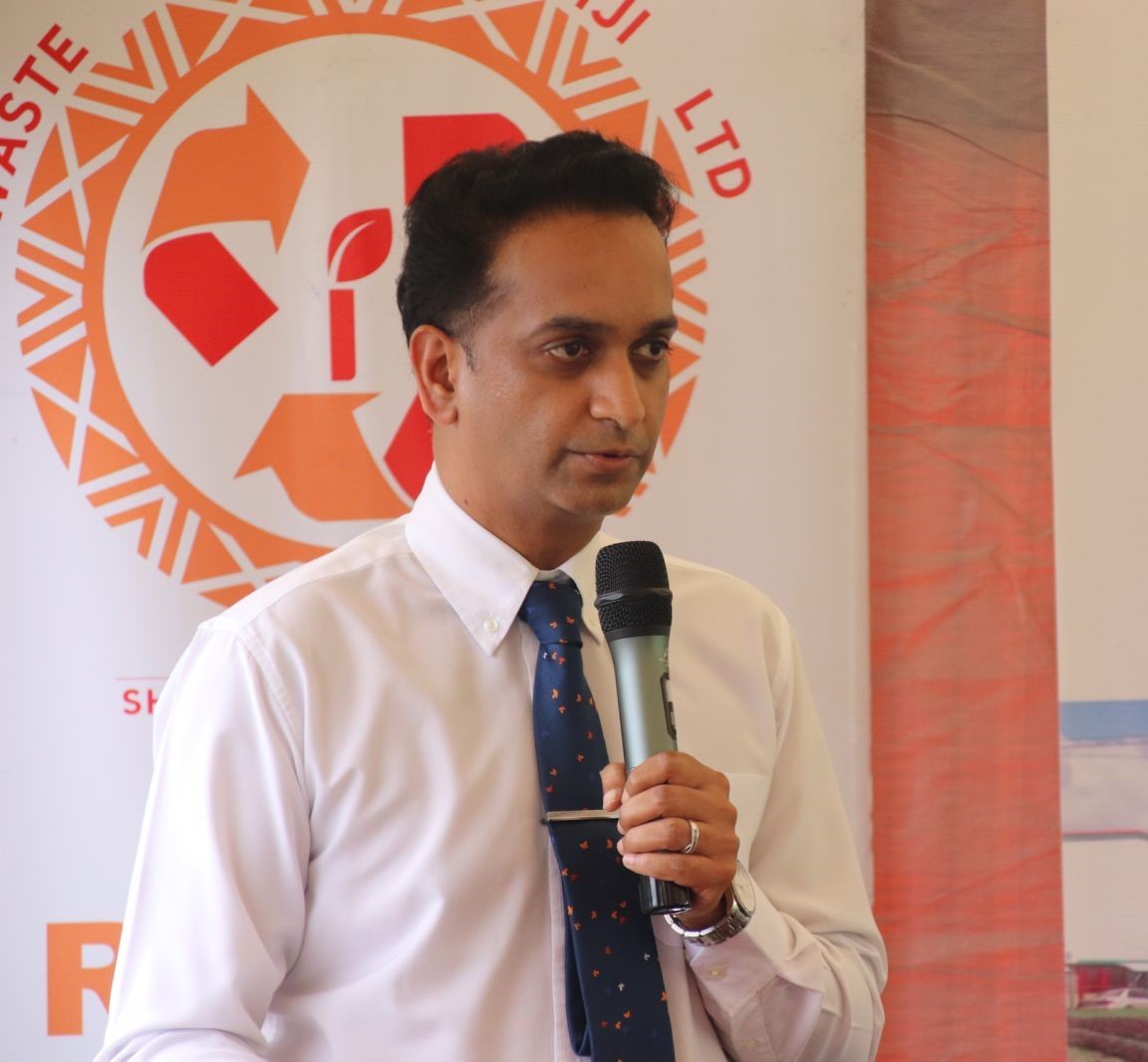
“Yes, it was a good year in many respects, but it was also a difficult one,” said PRF Founder Amitesh Deo.
“We saw a growing trend of glorifying clean-up campaigns, while at the same time overlooking the everyday work of grassroots recyclers who actually keep recyclables out of landfill and dumpsites all year round.”
PRF has raised concerns about the increasing exclusion of grassroots organisations from decisions and progress in the recycling space, especially when those decisions directly affect the livelihoods of informal and community-based recyclers.
“What has been most concerning is seeing recycling programs being taken over by entities whose primary businesses lie elsewhere, slowly diverting recyclable materials away from grassroots recyclers,” Deo said.
“These volumes are not abstract numbers – they are livelihoods. They are dignity. They are survival.”
According to PRF, these practices are gradually undermining structures that grassroots recyclers have spent years building with little recognition and even less support.
“Our position is simple. If we are not helping to build, then we should not be destroying the structures built by grassroots recyclers,” Deo said.
Despite repeated pushbacks, PRF continued to move forward, often at great cost, advocating for inclusion, fairness, and a people-first approach to recycling systems. In 2025, PRF also continued to forge meaningful partnerships with key stakeholders, including individuals and organisations that stepped forward after recognising a strong alignment to grassroots recycling.
During the year, PRF made notable gains through platforms such as the VAKA Forums, strengthening engagement with municipal councils and the tourism sector, and advancing conversations around shared responsibility and ethical recycling. However, the Foundation also experienced what it describes as “repression and regression”.
“We were honoured to receive the Best Sustainability Initiative Award at the Prime Minister’s International Business Awards for the second time. This recognition means a great deal to everyone who has dedicated years to advancing grassroots recycling,” said Deo.
“But recognition does not erase the daily realities faced by grassroots recyclers on the ground.”
As PRF enters 2026, the organisation says it is entering a period of re-strategising, a shift that reflects not only local realities but a broader global trend affecting grassroots organisations.
“What we are seeing in Fiji is not isolated,” Deo noted.
“Globally, grassroots organisations are being pushed to the margins even as sustainability narratives grow louder. In 2026, we must be more deliberate, more strategic, and more united.”
Deo confirmed that PRF will be holding high-level discussions with relevant government ministers in the new year to raise concerns on behalf of the different sectors it represents and to advocate for safeguards that protect grassroots recycling systems.
“Grassroots recyclers are not an afterthought – they are the foundation,” Deo added.
“If Fiji is serious about recycling, sustainability, climate action, and social justice, then 2026 must be the year we stop sidelining those who have been doing the work all along.”