Pacific Recycling Foundation Marks International Waste Pickers’ Day, Moves to Establish Fiji’s First Collection Pillars of Recycling Alliance
As the world commemorates International Waste Pickers’ Day on March 1, Pacific Recycling Foundation stands in solidarity with Collection Pillars of Recycling (CPR) in Fiji, across the Pacific, and around the globe, reaffirming its commitment to dignity, recognition, and structured support for those who form the backbone of the recycling sector.
International Waste Pickers’ Day honours the memory of 11 waste pickers tragically killed in Colombia in 1992 and serves as a powerful reminder of the ongoing struggle for justice, safety, and recognition for millions who depend on collection of recyclables for survival.
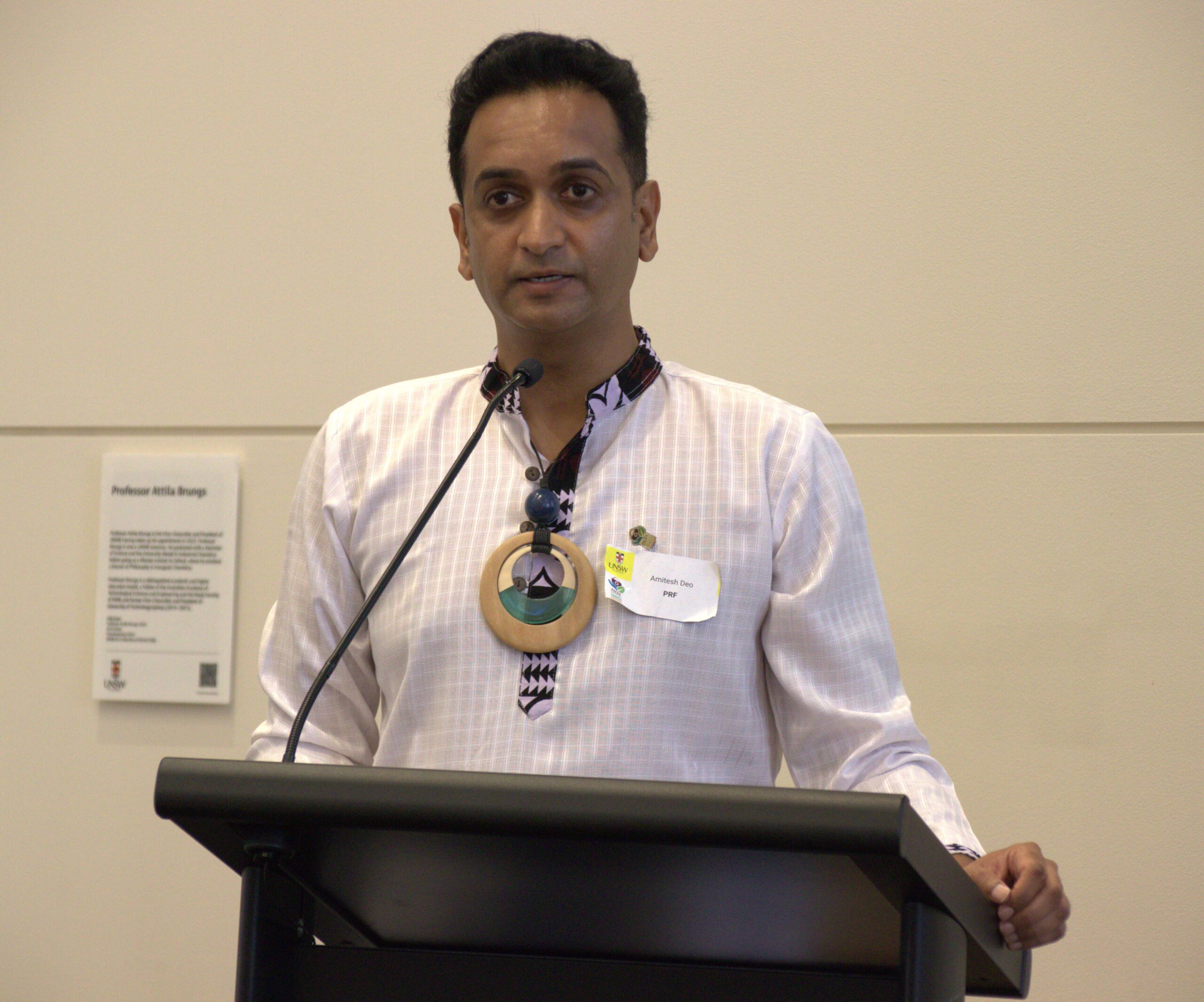
PRF Founder Amitesh Deo said that while Fiji has made meaningful progress in recognising the integral role CPR play within the national recycling ecosystem, more work remains to dismantle stigma and ensure true inclusion. He acknowledged the leadership of Fiji as a country and various government ministries and agencies for increasingly recognising CPR in national discussions, describing it as a positive and necessary step forward.
“In Fiji, we have seen encouraging recognition from government that Collection Pillars of Recycling are essential to our waste management system. That acknowledgment is important. However, stigma surrounding the work they do still persists, and that stigma continues to marginalise and exclude,” Deo said.
He said that in 2022, through the work led by PRF and in assistance with the Lautoka City Council and the International Union for Conservation of Nature, a group of women from Vunato, Lautoka, involved in the collection of recyclables, renamed waste pickers as Collection Pillars of Recycling as part of a rights-based approach to restore dignity and shift public perception.
“We would also like to acknowledge the Fiji Women’s Crisis Centre, which has been an expert partner providing critical support through counselling referrals, awareness training, and guidance on protection and safety matters. Many Collection Pillars of Recycling face vulnerabilities that go beyond economic hardship, including exposure to violence, trauma, and social exclusion. Having FWCC as an expert partner ensures that our approach is not only about recycling, but also about upholding human dignity, safety, and protection,” Deo said.
He confirmed that the FWCC will continue to support PRF in the upcoming VAKA Forum with the Collection Pillars of Recycling and in other relevant engagements, reinforcing a holistic support framework for CPR across Fiji.
Building on this work, PRF will soon convene a landmark VAKA Forum with Collection Pillars of Recycling from different parts of the country. The Forum will bring together individuals involved in collecting recyclables nationwide and will culminate in the formation of the CPR Alliance – the first alliance of its kind in Fiji and the Pacific region.
“The VAKA Forum is about unity, voice, and structure. It is about ensuring that those who collect recyclables across our communities have a platform to speak collectively, advocate for safer working conditions, and participate meaningfully in decisions that affect their livelihoods. The formation of a CPR Alliance will be a historic milestone for Fiji and the region,” Deo said.
He added that CPR members who will travel to Suva for the Forum will later return to their respective communities to mark International Waste Pickers’ Day with their fellow CPR.
PRF’s advocacy is grounded in evidence. In 2023, the Foundation conducted Fiji’s first comprehensive mapping exercise of Collection Pillars of Recycling, interviewing over 1,000 individuals involved in informal collection of recyclables.
Deo said PRF’s work now extends beyond Fiji’s borders.
“Our regional engagement has revealed that similar groups exist across other Pacific Island countries. We are also exploring undertaking a mapping exercise in a regional country, which will further demonstrate that informal recyclers are present throughout the Pacific – largely undocumented, yet essential to national waste systems,” he said.
He stressed that globally, an estimated 20 million waste pickers (CPR) contribute significantly to climate mitigation by diverting recyclable materials from landfills and dumpsites, reducing carbon emissions, and advancing circular economy principles.
On this International Waste Pickers’ Day, PRF calls on governments, development partners, private sector, and communities to embrace a Just Transition that ensures CPR are not displaced but empowered through structured support, social protection, and formal inclusion in waste management frameworks.
“Today is not just about remembrance. It is about responsibility. Responsibility to ensure justice, dignity, and opportunity for those who have carried the recycling sector for decades,” Deo said.
“Through the VAKA Forum and the establishment of the CPR Alliance, Fiji has an opportunity to lead the Pacific in building an inclusive, people-centered recycling movement – one that truly leaves no one behind.”