Grassroots Recyclers Across the Pacific Call for a Voice in Decisions Shaping Their Work

While the Pacific Recyclers Alliance (PRA) welcomes the growing regional focus on recycling and its increasing place in environmental policy, economic discussions, investment and circular economy conversations across the Pacific, its members are deeply concerned that they are, in many cases, either left out or included only as stakeholders, despite these discussions directly affecting their livelihoods and operations.
The Pacific Recyclers Alliance has members representing grassroots recycling organisations from Fiji, Samoa, Tonga, Solomon Islands, Papua New Guinea, Vanuatu, and Nauru. Some of these organisations have existed without any formal support for over 30 years and have focused on holistic recycling programs as the core purpose of their operations.
The Principle is Simple: Nothing About Us, Without Us
Across the Pacific, grassroots recycling organisations have spent years and in, some cases, decades – collecting, sorting, processing and moving recyclable materials, often long before recycling became a prominent part of regional policy and investment discussions. Their knowledge has been developed not in boardrooms, but through lived experiences, communities and the day-to-day realities of making recycling work in Pacific Island countries.
Recycling Has Been Built from the Ground Up and is Based on a Holistic Approach
PRA members represent organisations that have continued doing this work through changing economic conditions, limited infrastructure and varying levels of recognition and support. They have established collection networks, built relationships with communities and businesses, created livelihoods and developed practical systems for recovering materials that may otherwise enter drains, landfills and the wider environment.
This experience is critical to developing recycling systems that are appropriate for the Pacific.
PRA President Amitesh Deo says regional recycling models must be informed by those who understand the realities of the sector from the ground up.
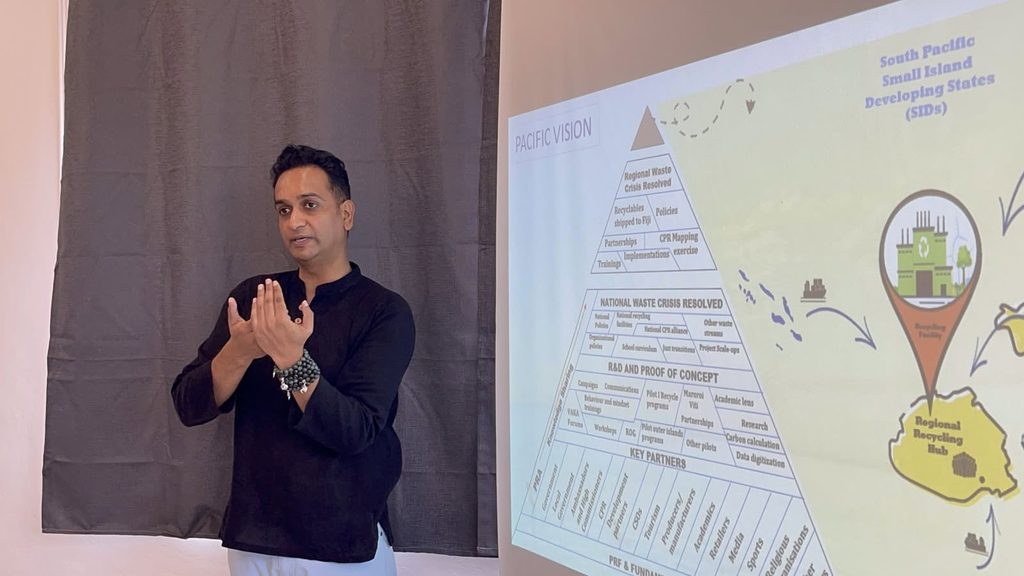
“We welcome the growing attention being given to recycling across the Pacific. But we must remember that recycling did not begin when it became part of policy or investment conversations. People and organisations have been doing this work for years, often with very limited support and recognition. Their lived experience must be part of the conversation about where recycling goes next.”
Holistic Approach
Grassroots recycling organisations have also demonstrated why recycling must be approached holistically. Their work is not limited to materials that have strong commercial value or attract financial incentives. It includes low-value, difficult-to-recover and potentially harmful materials that still require collection and responsible processing. These organisations have diverted millions of tons of recyclables, including products like all types of plastic, plastic containers, cardboard, tin cans, paper, and so forth.
Between 2017 and 2026, the Pacific Recycling Foundation (PRF), through its entrepreneurial arm, Waste Recyclers Fiji Limited (WRFL), has recovered 31,874 tonnes of recyclable materials across multiple material streams. This includes the equivalent of more than 185.7 million individual plastic items and 1.05 million large cartons, alongside significant volumes of scrap metal, glass and preforms.
A regional recycling system built only around commercially attractive materials risks leaving some of the most challenging materials behind.
Deo is calling for a simple principle to guide the future of recycling: leave recycling to the recyclers and ensure those with lived experience are at the table when the sector is being shaped.
Build on What Already Works
PRA believes the Pacific does not need to start from scratch.
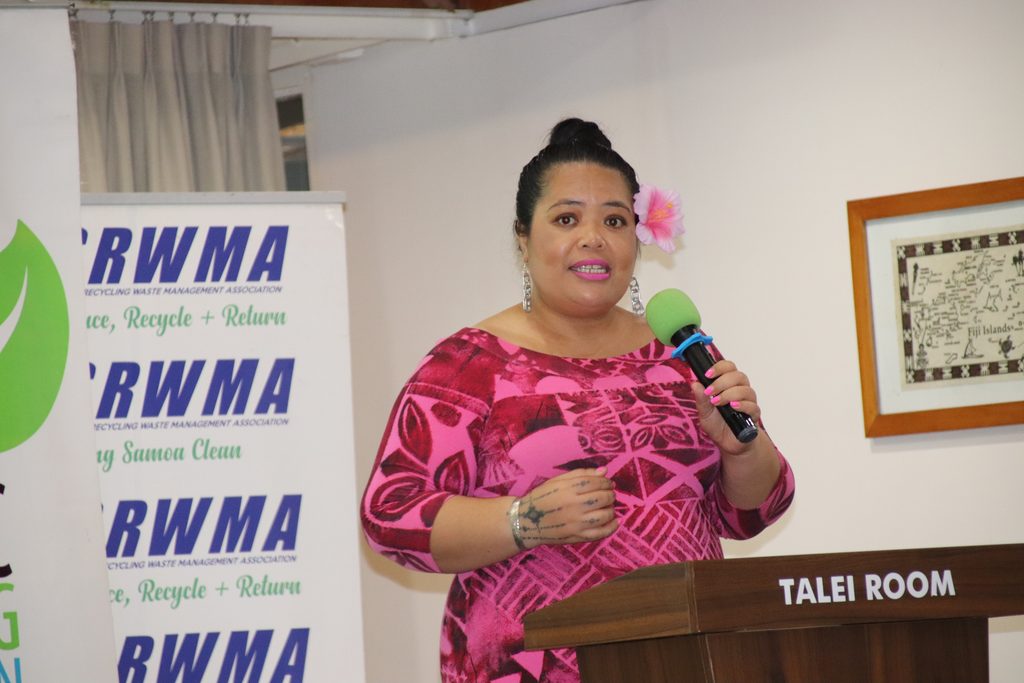
PRA Executive Board Member Representing Samoa, Marina Keil says existing grassroots recycling organisations have already developed collection models that operate within communities and have been tested in real-world conditions.
“New initiatives, investments and regional approaches should therefore seek to complement, strengthen and scale existing systems, not unintentionally create parallel structures that displace or weaken them.”
This is particularly important as new investment, incentives and private sector approaches enter the recycling space.
“The question should not be whether we need new ideas. We absolutely do. The question is how those ideas can strengthen what is already working on the ground. If we build new systems without understanding or connecting with existing ones, we risk losing years of knowledge, relationships and infrastructure that have already been developed,” Keil says.
PRA also believes that meaningful participation requires more than an invitation to attend a discussion. Grassroots organisations should be included, consulted, recognised and supported, including where financial assistance is necessary for them to participate meaningfully in regional processes.
From Stakeholders to Sector Shapers
Grassroots recycling organisations should not be viewed simply as another category of stakeholder alongside industries and organisations that engage with recycling from outside the sector.
They are part of the recycling sector itself.
Their involvement in regional discussions should therefore extend to the co-design of policies, programmes, investment models and recycling systems that will directly affect their work and the communities they serve.
One of the reasons recycling has struggled to become a mainstream practice in many Pacific communities is that the people sustaining the work at grassroots level have not always had a meaningful place in the conversations shaping the sector.
PRA believes this presents an opportunity to do things differently.
The Pacific does not need to start again on recycling. It needs to recognise, strengthen and scale the grassroots systems that have already been built.
As regional recycling conversations continue to develop, PRA calls on governments, development partners, private sector organisations, academia, civil society and other regional actors to ensure that grassroots recycling organisations are meaningfully included in shaping the future of recycling in the Pacific.
Those who have built the sector from the ground up must have a meaningful voice in deciding where it goes next.
The Pacific Recyclers Alliance has members representing grassroots recycling organisations from Fiji, Samoa, Tonga, Solomon Islands, Papua New Guinea, Vanuatu, and Nauru.