Recycling Accountability Must Go Beyond Collection
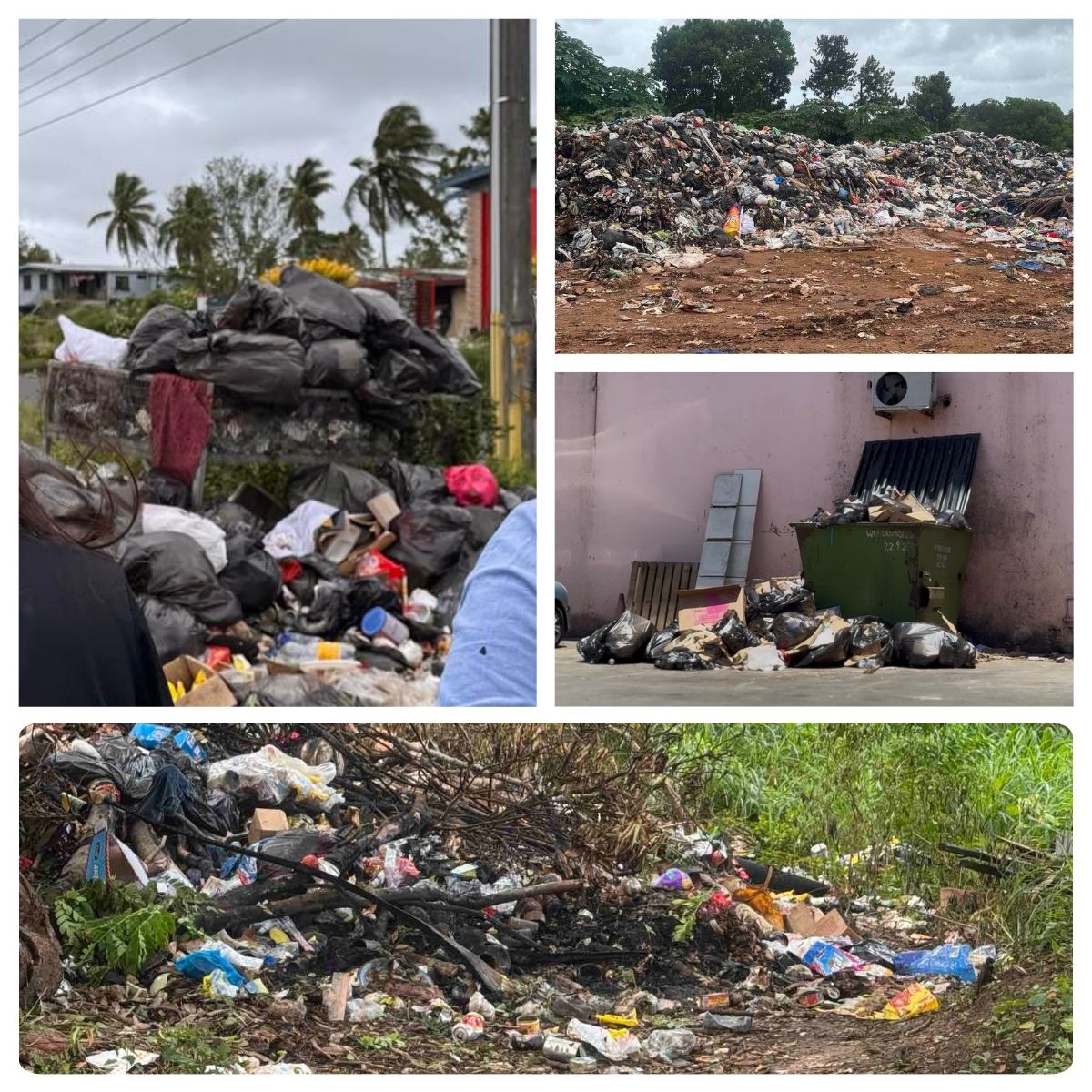
The Pacific Recycling Foundation (PRF) is raising concerns about accountability across Fiji’s waste management and recycling sectors, particularly as reported cases of illegal dumping continue to raise questions about what happens to materials after they are collected.
As more businesses and organisations engage companies to collect their recyclables, PRF believes there must be greater transparency and accountability to ensure that materials presented for recycling are actually handled, processed and recovered through genuine recycling pathways.
PRF has observed a growing need for greater clarity between waste collection services and genuine recycling operations. Collecting and transporting recyclable materials does not, on its own, constitute recycling. PRF is therefore encouraging businesses and organisations to carry out due diligence when selecting recycling providers, including requesting evidence of their recycling track record, processing systems and what ultimately happens to the materials collected.
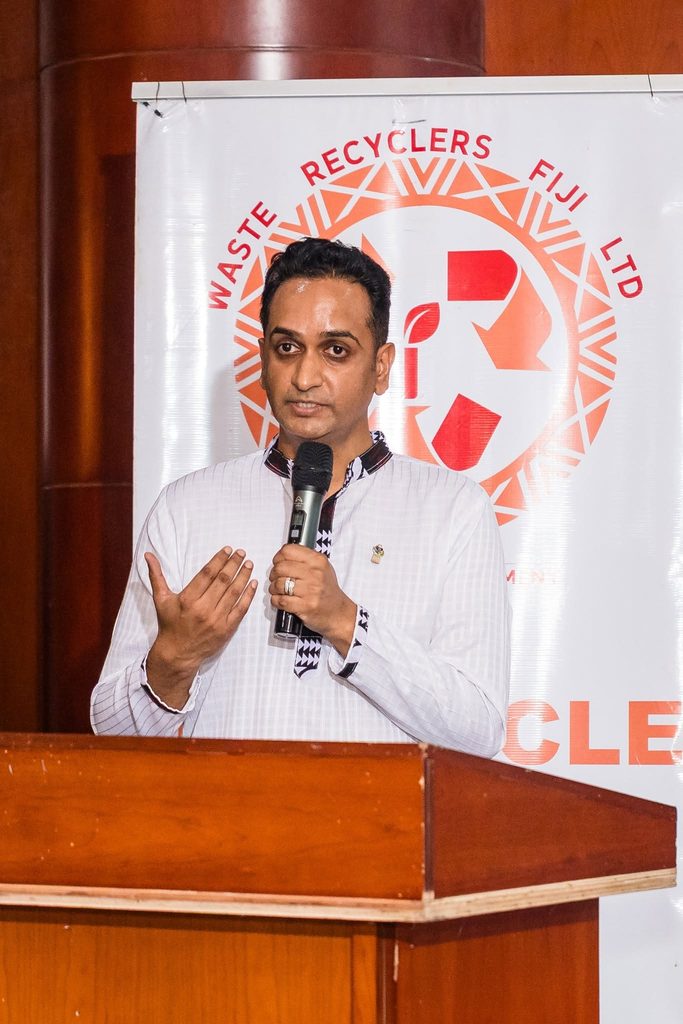
PRF Founder Amitesh Deo says it is concerning to see recycling being used as a description for services that may only involve the collection and transportation of materials.
He says if a company presents itself as a recycling organisation, there should be evidence to support that claim including a clear pathway showing what happens to the materials after they are collected.
“We cannot call something recycling if the material ultimately ends up being dumped up at landfills or disposed off illegally,” says Deo.Waste Recyclers Fiji Limited (WRFL) Manager Operations and Strategic Growth, Vinil Prasad says we have been collecting and processing recyclables for more than 32 years.
“Our work has always covered a wide range of materials, including different types of plastics, plastic containers, PET bottles, tin cans, cardboard, e-waste, scrap metal and many other recyclable materials.
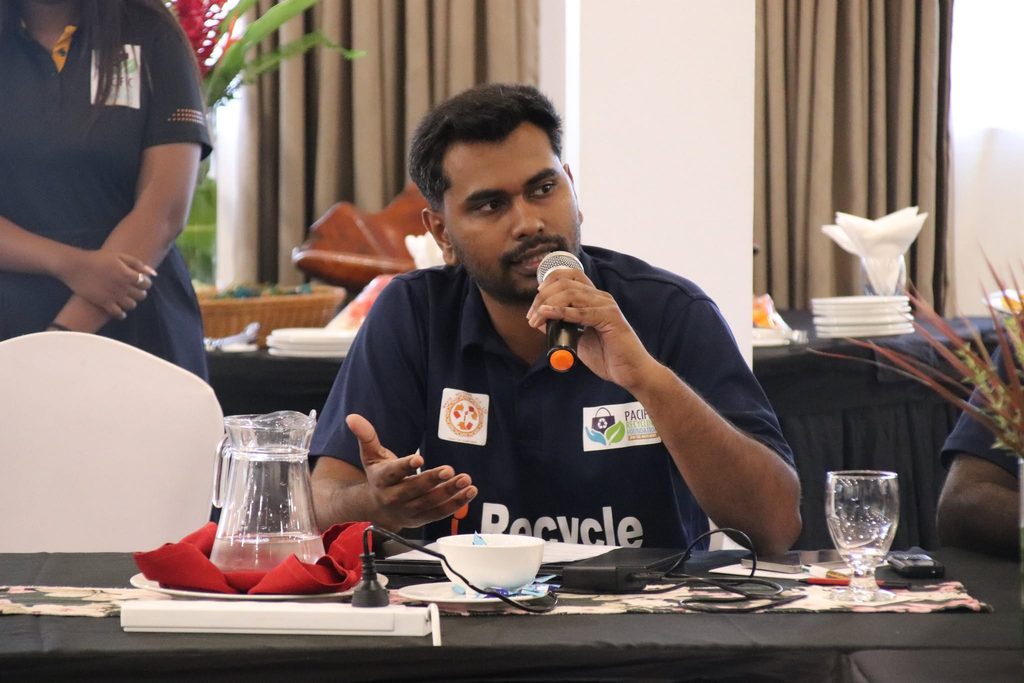
Recycling is not simply about collecting something and taking it away, there needs to be a system and a pathway for what happens to that material afterwards,” says Prasad.
“In some instances, recyclable materials collected for recovery have reportedly ended up being illegally dumped, with evidence of such practices appearing on social media.” PRF believes that genuine recycling must be understood as a complete chain:
Change in Behaviour → Accessibility to Programs → Collection Systems → Actual and Real Recycling Processes → Social Justice and Economic Empowerment to CPRs → Data and Measured Changes
The organisation is also concerned that, as recycling becomes a growing part of Fiji’s waste management landscape, more waste management companies are increasingly presenting themselves as recyclers. While collection is an important part of the recycling process, PRF believes there is a need to distinguish between collecting recyclable materials and having the systems, experience and capacity to actually recycle them.
PRF is encouraging businesses and organisations to look beyond collection when selecting recycling providers and ask for evidence of their recycling track record — including what they process, where materials go and what happens after collection.
The question should not simply be, “Who can collect our recyclables?” but “Who can demonstrate what happens to them after collection?”
PRF Founder Amitesh Deo says accountability must extend across the entire recycling chain.
“If materials are collected for recycling, responsibility cannot end when they are taken away. There must be accountability for what happens next.”
The responsibility does not end at the gate
PRF is calling on businesses, resorts, institutions and government agencies to exercise due diligence when selecting recycling providers and ask where materials go, how they are processed and whether they actually enter a recycling pathway.
Recycling cannot mean moving the problem elsewhere
“Recycling should not mean moving materials from one place to another without knowing what happens to them,” Deo says. “We cannot call something recycling simply because a truck collected it.”
PRF encourages organisations to ask:
- Who is collecting our recyclables?
- Where do they go?
- How are they processed?
- Can the company prove they are actually being recycled?
Recycling is not simply about collection. It is about what happens next.