PRF Calls for Recycling to Be Integrated into Drought Relief Efforts
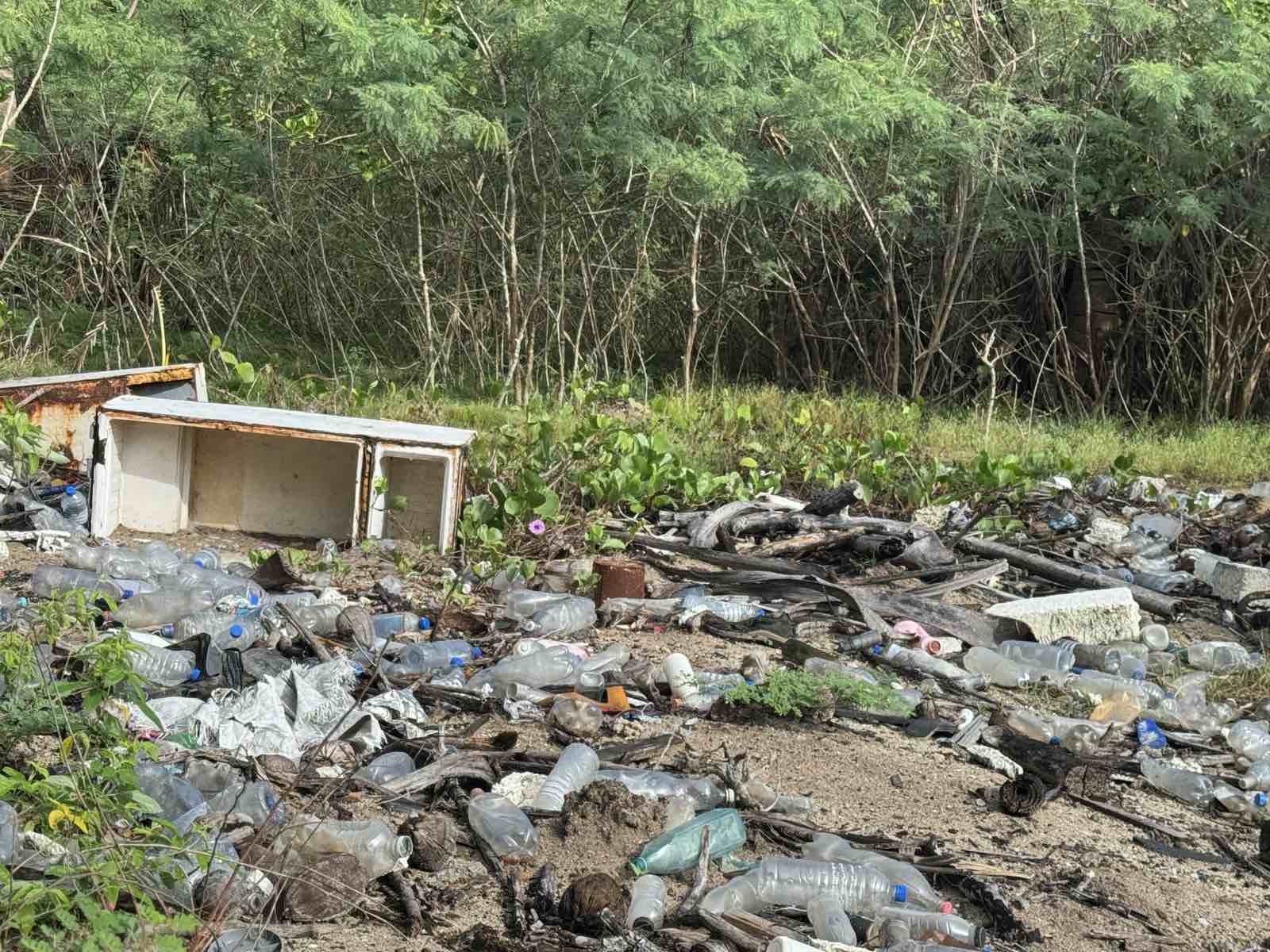
The Pacific Recycling Foundation (PRF) is calling for greater environmental responsibility in the distribution of drought relief assistance, raising concerns over the potential accumulation of plastic bottles in communities where adequate recycling and recovery systems are not in place.
While PRF acknowledges the severity of the ongoing drought and recognises the importance of providing immediate assistance to affected communities, it stresses that relief efforts must also consider the long-term environmental implications of the materials being distributed.
PRF Founder Amitesh Deo said while the distribution of bottled water is necessary to address immediate needs, there must also be mechanisms in place to ensure that empty plastic bottles are recovered.
“We recognise that we are facing a national crisis and that providing access to safe drinking water is an immediate priority. However, we must also consider what happens to these plastic bottles once the water has been consumed.
“The paradox of the situation is that while we are providing relief to communities, we risk contributing to another environmental problem. In the absence of proper recovery systems, these bottles could end up being burned, buried or discarded into the environment,” said Deo.
PRF highlighted that similar concerns emerged during the COVID-19 pandemic and other humanitarian crises, where relief assistance was not always accompanied by adequate waste management and recovery plans.
The Foundation further emphasised that improper waste management contributes to environmental degradation and greenhouse gas emissions, exacerbating the broader environmental and climate-related challenges faced by communities.
“This reinforces what PRF has been advocating for over the years – the need for holistic and inclusive recycling systems that extend beyond urban centres and reach rural, remote and maritime communities.
“Recycling and waste management should not be an afterthought in our response to national crises. They must form an integral part of how we plan and deliver humanitarian assistance,” said Deo.
PRF also reiterated the need for the establishment of a Container Deposit System in Fiji, which would provide a structured mechanism for the recovery of beverage containers and encourage greater individual and corporate responsibility.
The Foundation stressed that the development and implementation of such systems must actively engage grassroots recyclers, recognising their longstanding contributions, practical experience and existing recovery networks. Their involvement is critical in ensuring that recycling systems are effective, inclusive and responsive to the realities of communities across Fiji.
As part of its Annual Christmas Gift and Stationery Drive, PRF will also extend its support to drought-affected communities through the distribution of bottled drinking water, with recovery mechanisms in place to ensure that the empty plastic bottles are collected for recycling.
Through this initiative, PRF aims to demonstrate how humanitarian assistance can be delivered in an environmentally responsible manner, addressing the immediate needs of communities while minimising long-term environmental impacts.
PRF is encouraging government agencies, humanitarian organisations, corporate bodies and individuals involved in relief efforts to engage with grassroots recyclers, incorporate recovery mechanisms into their distribution plans and take responsibility for the recyclable materials generated through their assistance.
The Foundation reiterates the importance of addressing the immediate needs of communities while safeguarding their long-term environmental well-being.