Plastic on Every Coastline Is a Warning: Fiji Needs a Waste System That Works From the Ground Up
The Pacific Recycling Foundation (PRF) says the plastic waste being encountered along Fiji’s coastlines is a reminder that the country’s waste challenge needs to be addressed from the ground up – not only through clean-ups, but through stronger systems for collection, recovery, recycling and responsible disposal.
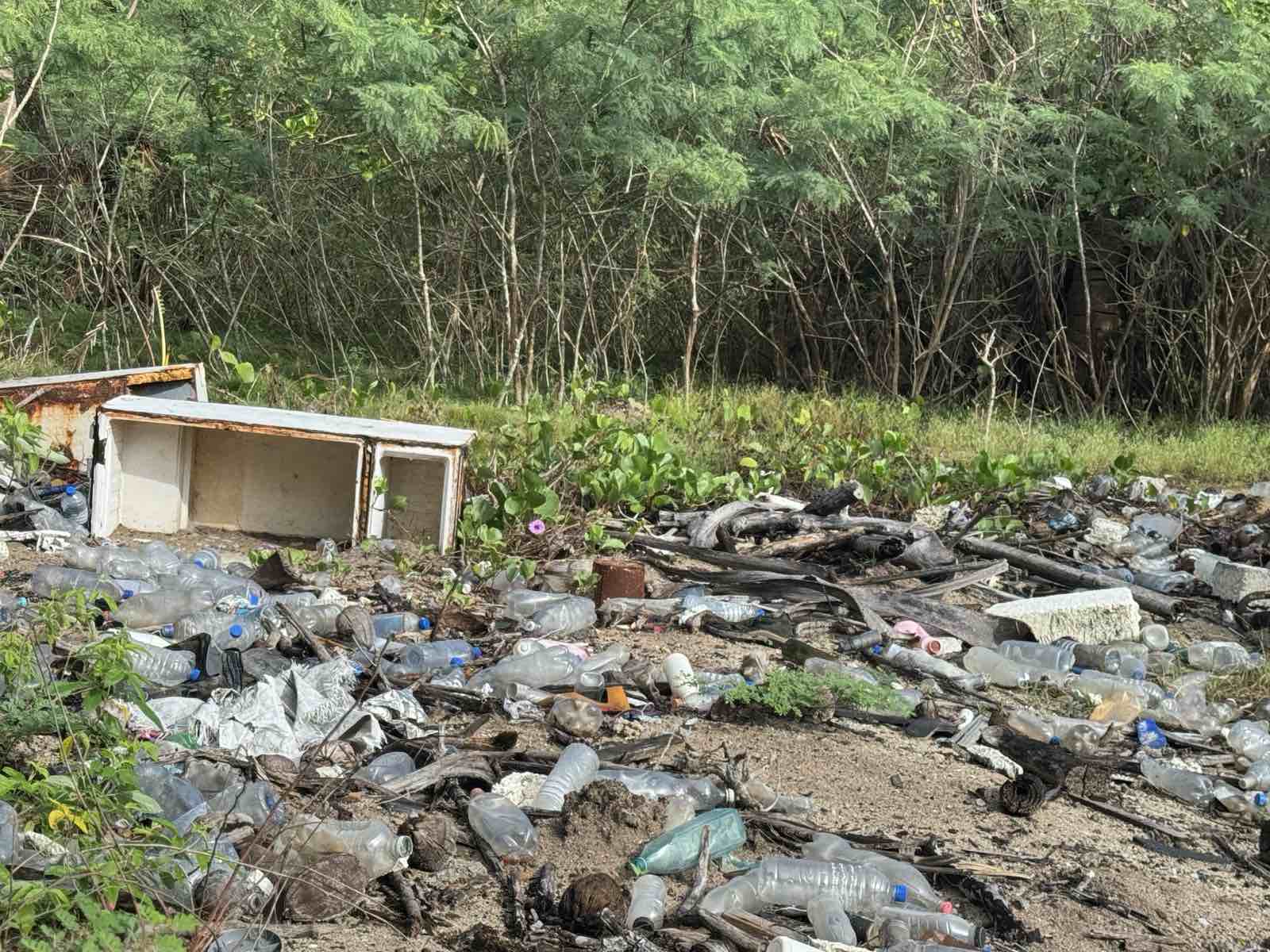
The concern follows observations from the Paddle of Hope, which has reported finding plastic waste at every coastal stop during its journey, with an estimated 30 to 40 sacks of plastic and other waste collected along the way.
For PRF, what is being seen along the coastline is not an isolated issue. It reflects what happens when materials that could have been recovered, reused or recycled do not have a clear pathway through the waste management system.
PRF Founder and Director Amitesh Deo says Fiji needs to look at waste as a complete system, while recognising the people already working within that system.
“When we see plastic waste everywhere along our coastlines, we have to ask ourselves what is happening before it gets there. We need a comprehensive waste management solution – one that looks at behaviour change, collection, a wider range of recyclables, recovery and what happens to those materials after they are collected.”
He says the solutions must also be grounded in the realities of communities and the people working at the grassroots level.
“It has to be grassroots. If we keep implementing initiatives without talking to the people who are already working in this space, sometimes we can actually do more harm. We can think we are moving forward, but in reality, we may be taking steps backwards.”
For PRF, grassroots recyclers bring lived experience that is critical to understanding what works on the ground – from what materials communities are generating and discarding, to what can realistically be collected, sorted and recovered.
Deo says this experience needs to be part of how Fiji designs its waste management solutions.
“The people who are already doing this work know the realities on the ground. They know what is being collected, what is being left behind and where the gaps are. So, if we are serious about moving forward, we need to listen to that experience and build solutions around it.”
The Paddle of Hope observations also highlight the connection between communities, waterways and the ocean. Waste discarded inland can move through drains, waterways and rivers before eventually reaching coastal environments.
This makes waste management an environmental issue, but also a people issue.
PRF believes that behaviour change remains an important part of the solution, but behaviour change cannot happen in isolation.
“You can ask people to change their behaviour, but we also have to give people the systems to support that change. If someone wants to separate their recyclables but there is nowhere for those materials to go, then the problem remains.”
A people-centred waste management approach, PRF says, needs to connect mindset, collection, infrastructure, data and recovery so that recyclable materials have a pathway away from disposal and towards recovery.
This is particularly important as Fiji continues to deal with increasing volumes of packaging and other materials entering communities through everyday consumption.
For PRF, the answer is not simply to collect more waste after it reaches the environment.
It is to understand why it got there in the first place.
“We cannot keep looking at the coastline and only ask how much rubbish we can remove. We also need to ask why that material reached the coastline, where the system failed and what we can change so it does not happen again.”
Deo says Fiji has an opportunity to build on the work already being done by communities and grassroots recyclers and to ensure that future waste management initiatives strengthen – rather than work against – existing recovery systems.
“We want to see Fiji taking steps forward, not steps forward in one area while taking steps backwards somewhere else. The solutions have to work for the people on the ground, for our communities and for our environment.”
PRF says the observations from the Paddle of Hope should be viewed as an opportunity to have a broader conversation about how Fiji manages its waste – from the moment a material enters a household or business, through collection and recovery, and ultimately to its final destination.